
Wildlife Corner
Welcome to the Wildlife Corner. Here at Maine Woodland Owners we strive to support landowners who wish to manage for healthy, resilient forests. This section offers guidance and resources for landowners interested in stewardship practices that benefit both their land and the wildlife that depend on it.
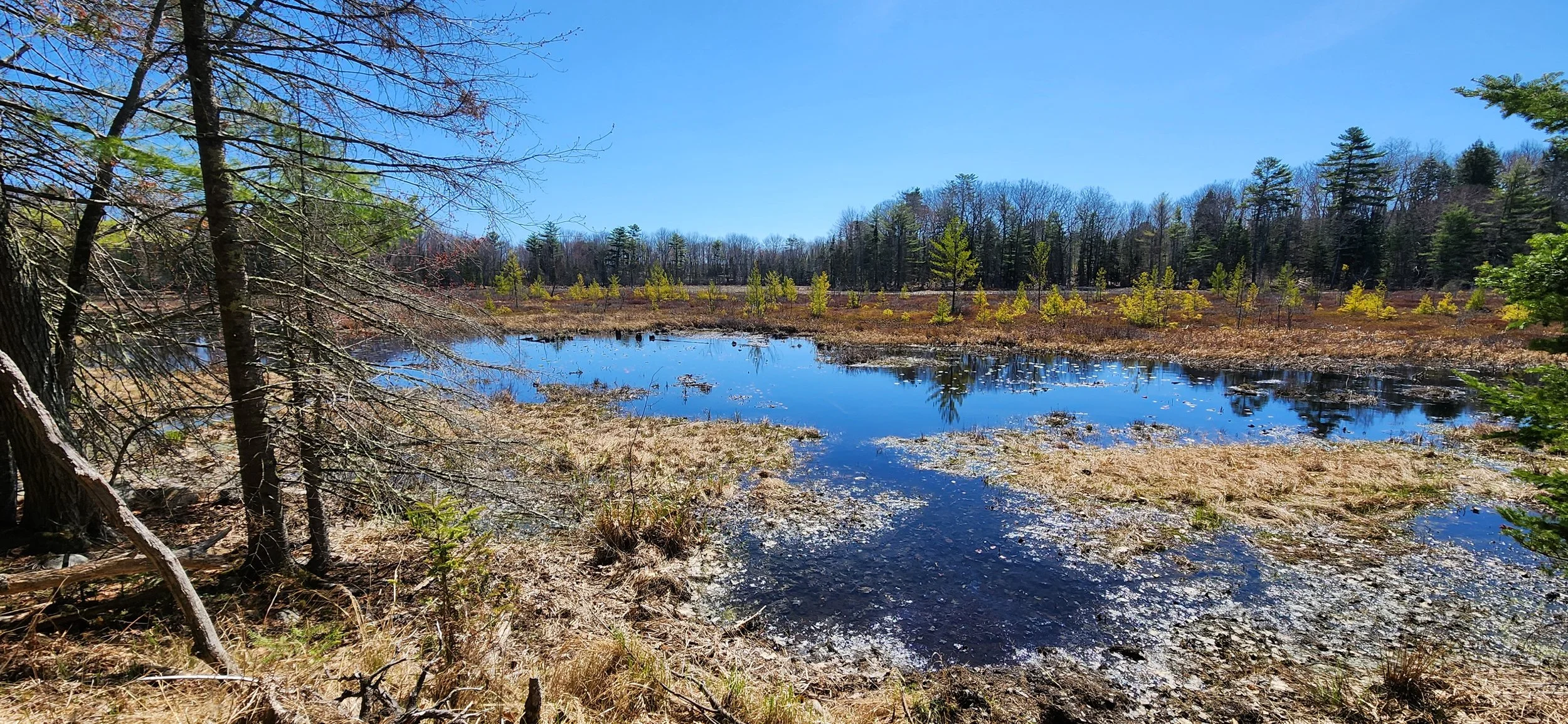
Beaver Bog at the Weisendanger Land Trust Property in Winthrop Maine.
Planning for Wildlife
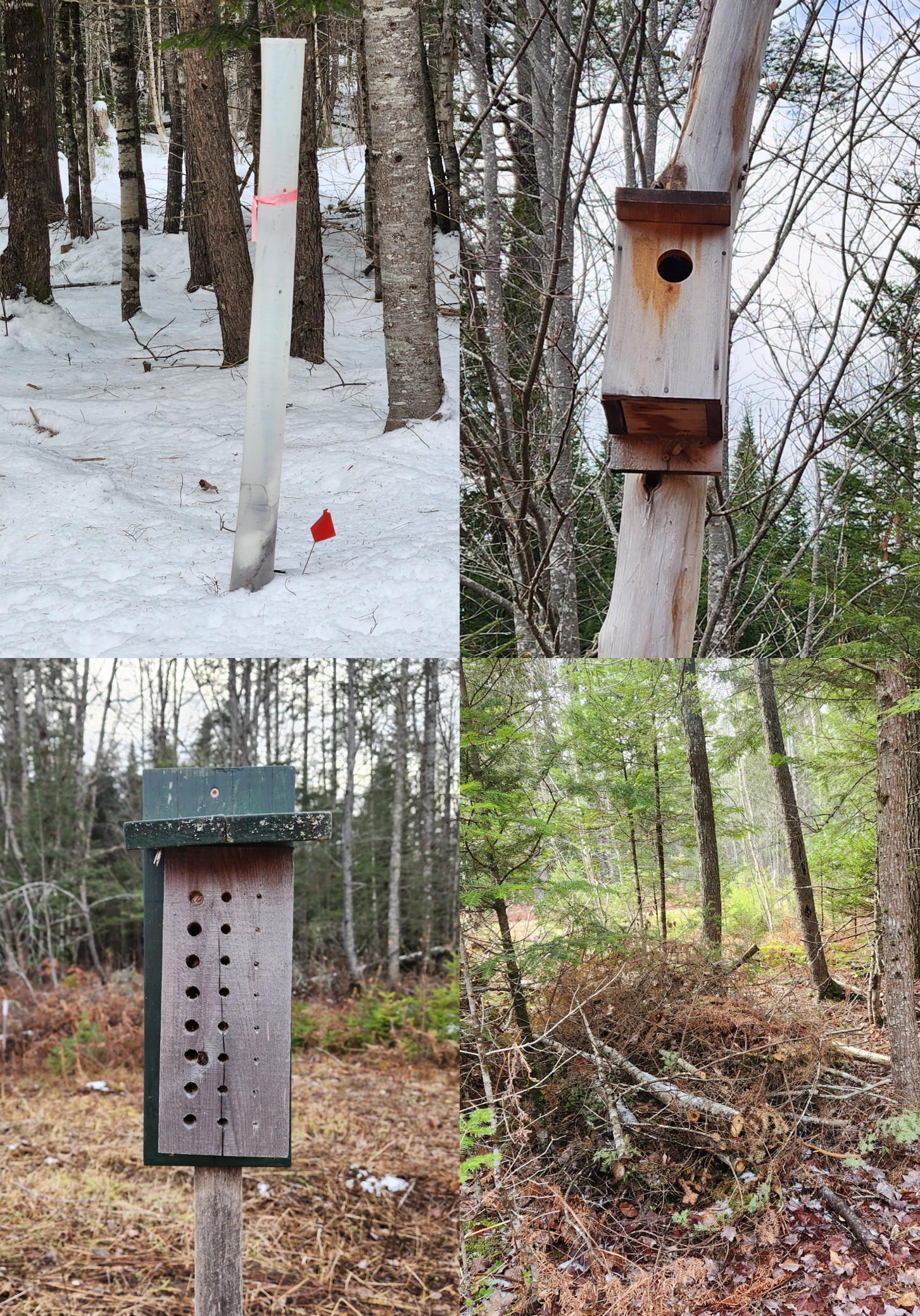
Some great examples that the Beauregard’s have set up on their property to improve wildlife habitat: tree tubes, bird box, bee box, and brush pile.
Tips and Tricks For Wildlife Management
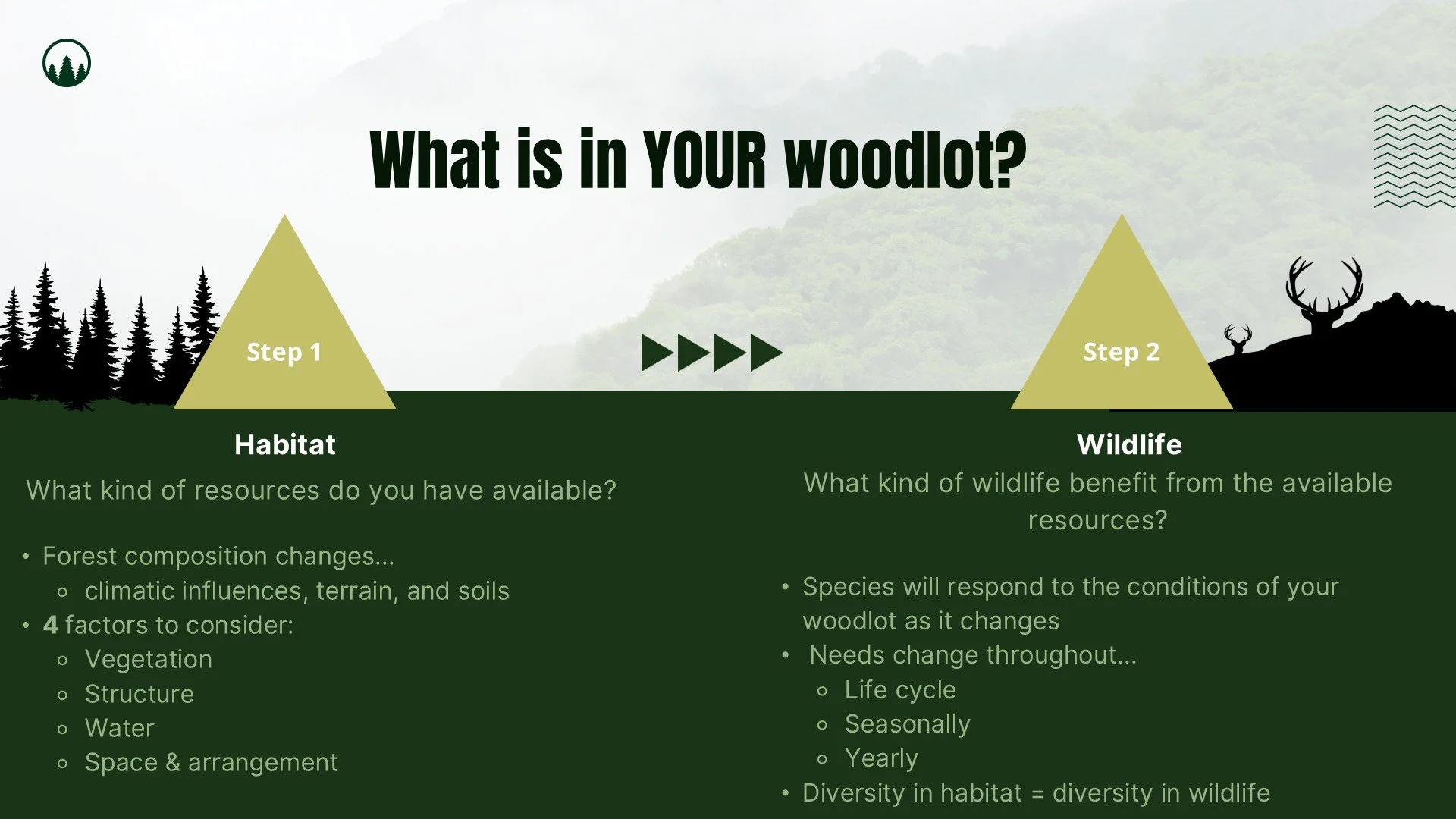
Wildlife need food, shelter, water, and space to flourish. These are some common strategies to maintain those resources on your own land.
Setup wildlife structures. Bird, bat, and bee boxes can be used for nesting and shelter.
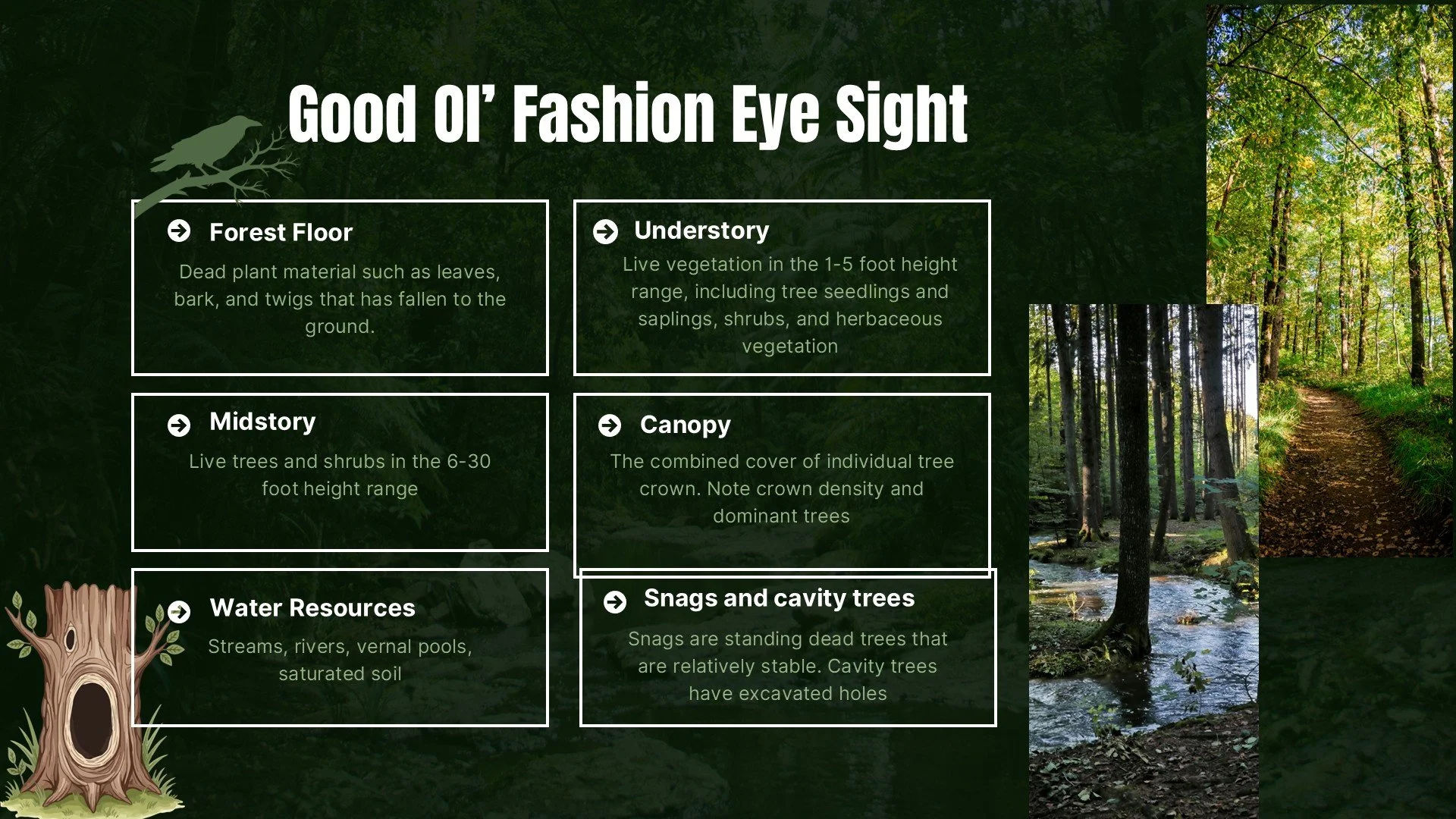
Retain and plan for wildlife trees. Make note of snags (dead standing trees), cavity/den trees (live trees with nesting cavities), recruitment trees (large trees that will be retained permanently).
Maintain mast and shrub trees. Soft mast producing species include birches, pin cherry, choke cherry, hornbeam, alder, service berry, dogwood, viburnums, raspberries, and elderberry. Hard mast producing species include oak, beech, beaked hazelnut, chestnut, and butternut.
Create brush piles. A brush pile is a mound or pile of woody material with cavities. Small limbs, brush, or saplings are piled on top of larger logs to create the brush pile. Brush piles create cover from predators and harsh weather for many songbirds, small mammals, reptiles, and amphibians.
Plant pollinator gardens: Flowering plants provide nesting areas, and shelter for bees, butterflies, birds, and other pollinators. Consider integrating pollinator plots into forest openings, along edges, roadsides, and old fields.
Maintain fields and young forests. Fields and young forested areas are heavily sought after by Maine’s native wildlife as these areas provide nesting and foraging opportunities. Keeping areas in this early stage of growth can encourage wildlife activity on your land.
If you wish to receive more information about these practices, please contact:
Autumn Randall, Wildlife Biologist: (207) 626-0005, autumn@mainewoodlandowners.org
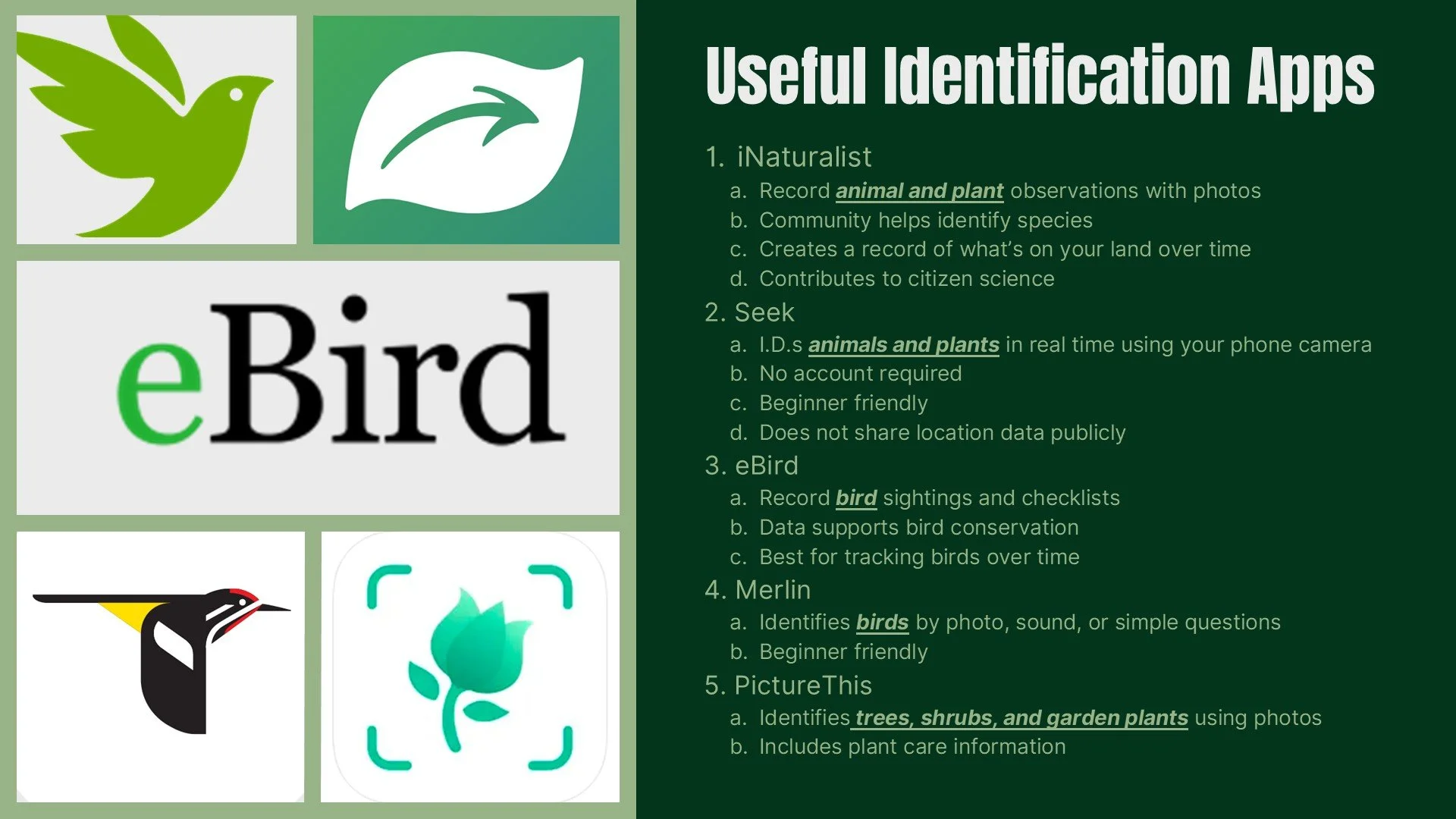
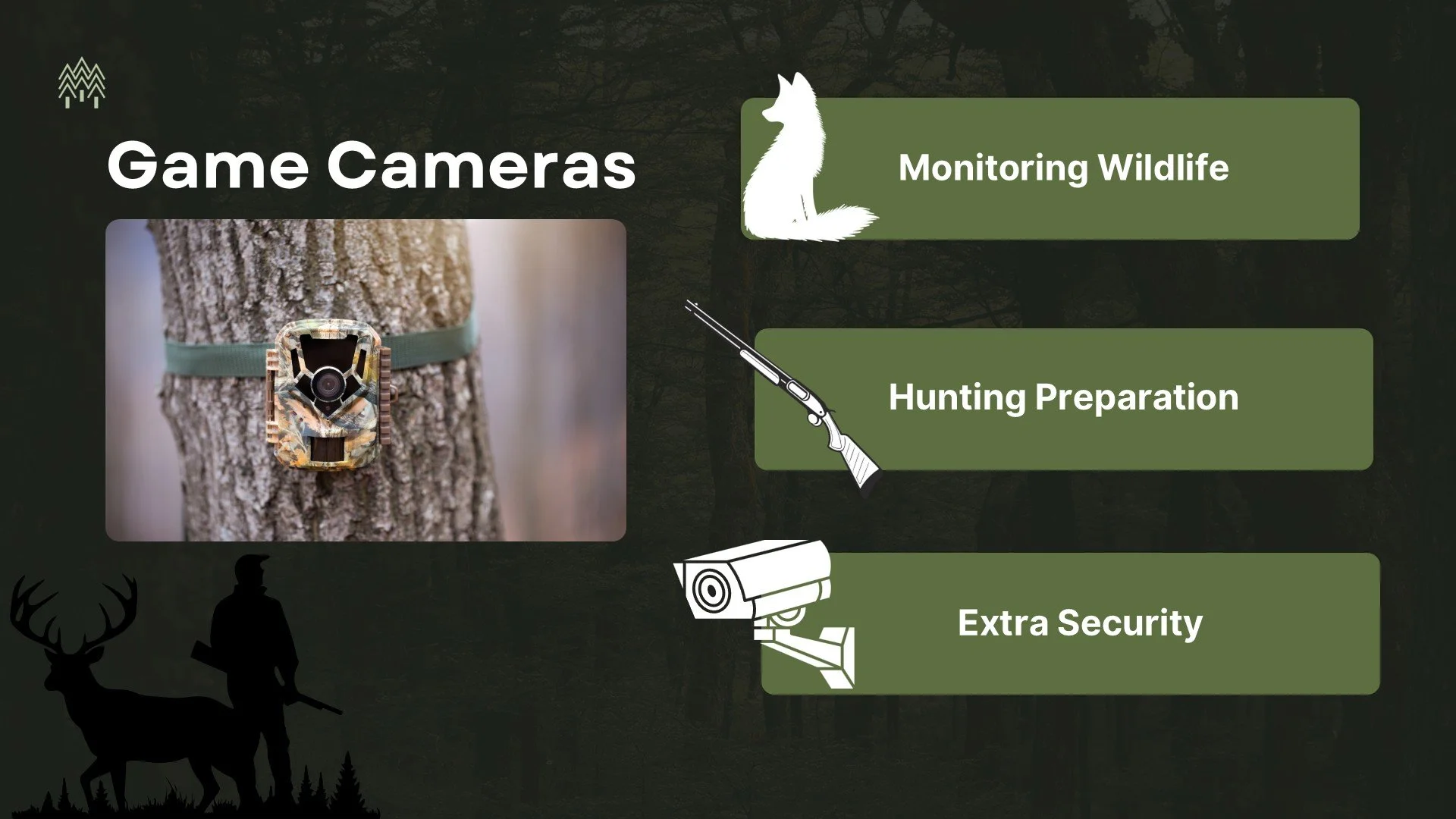
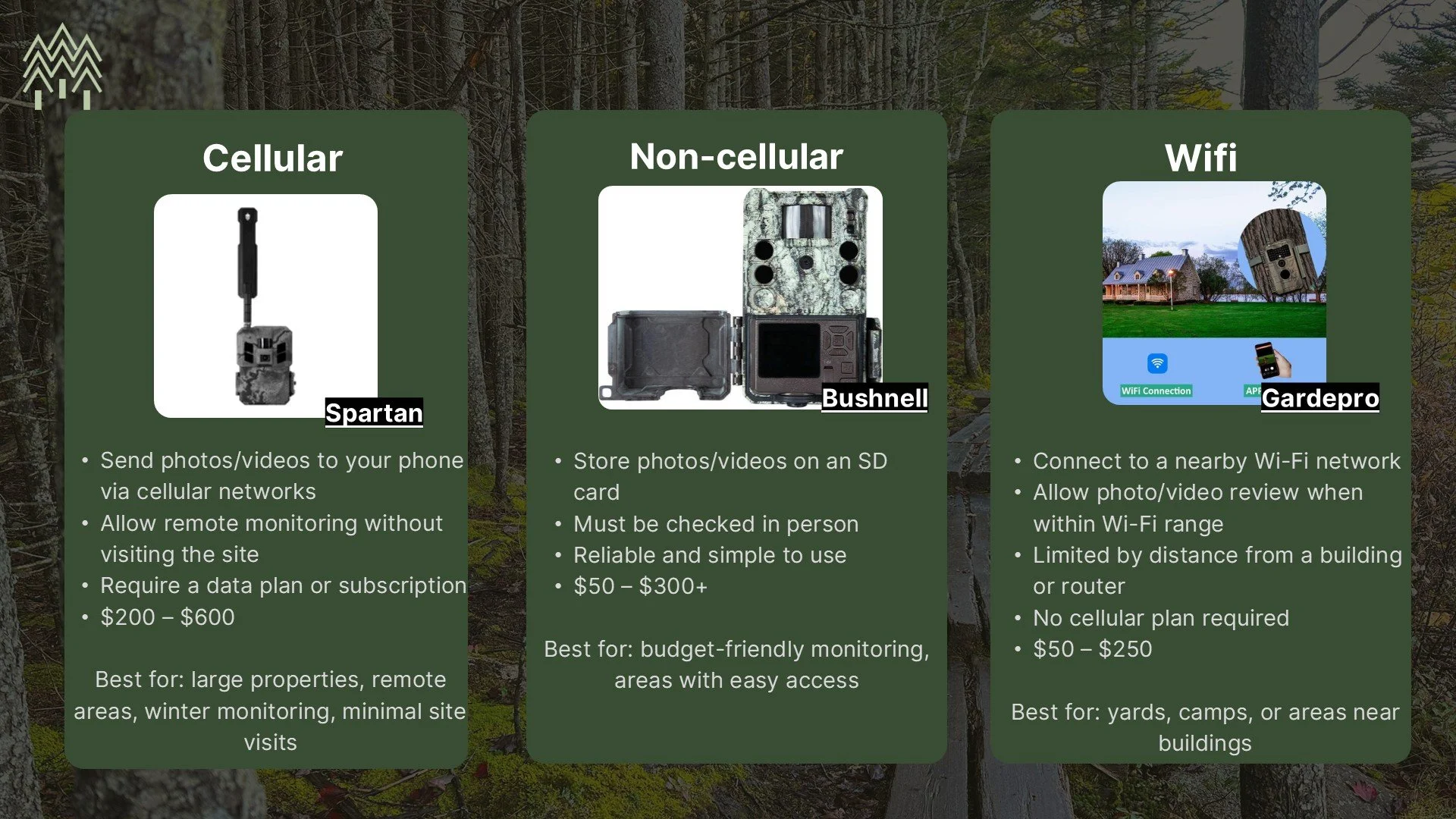
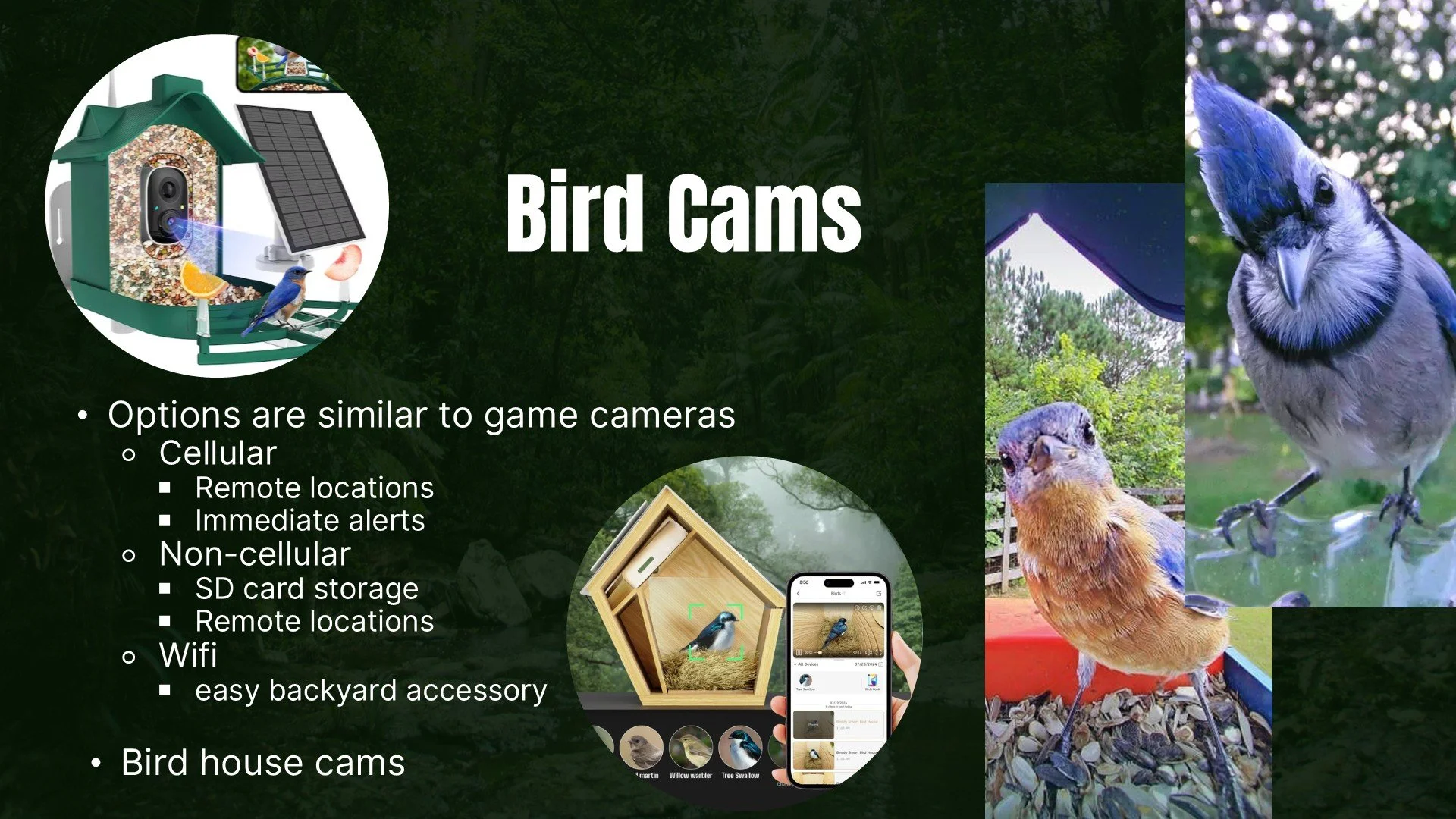
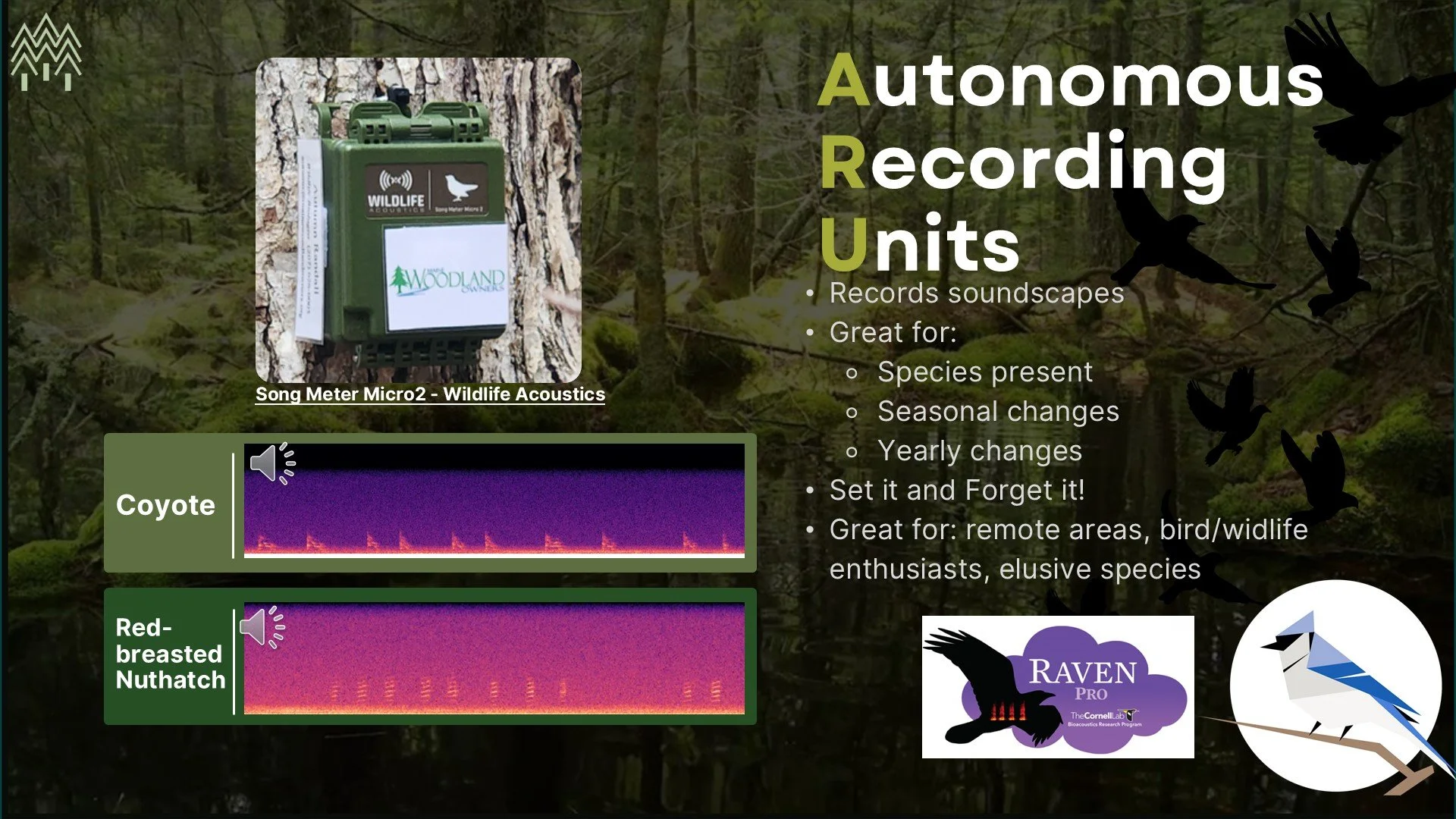
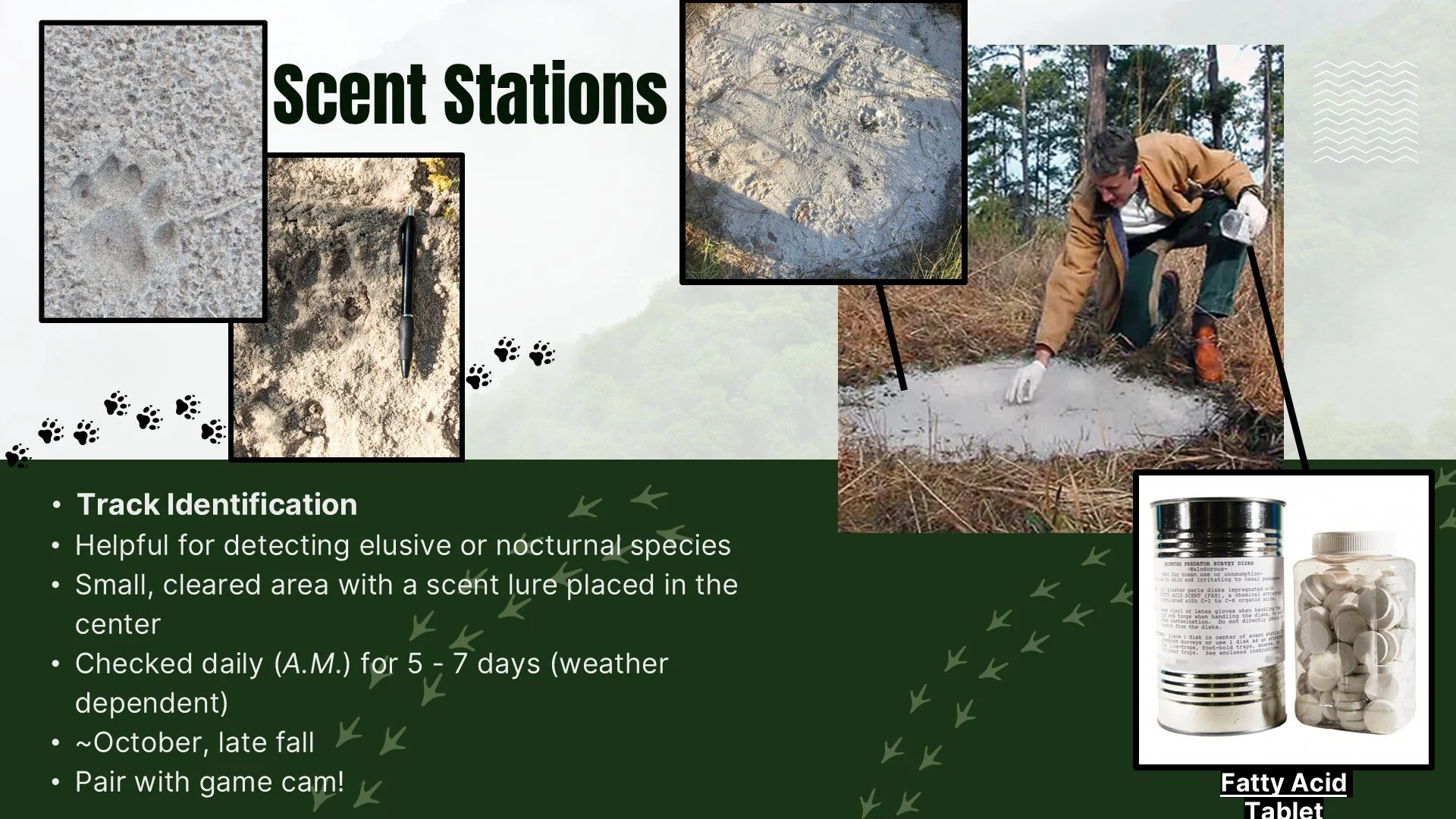
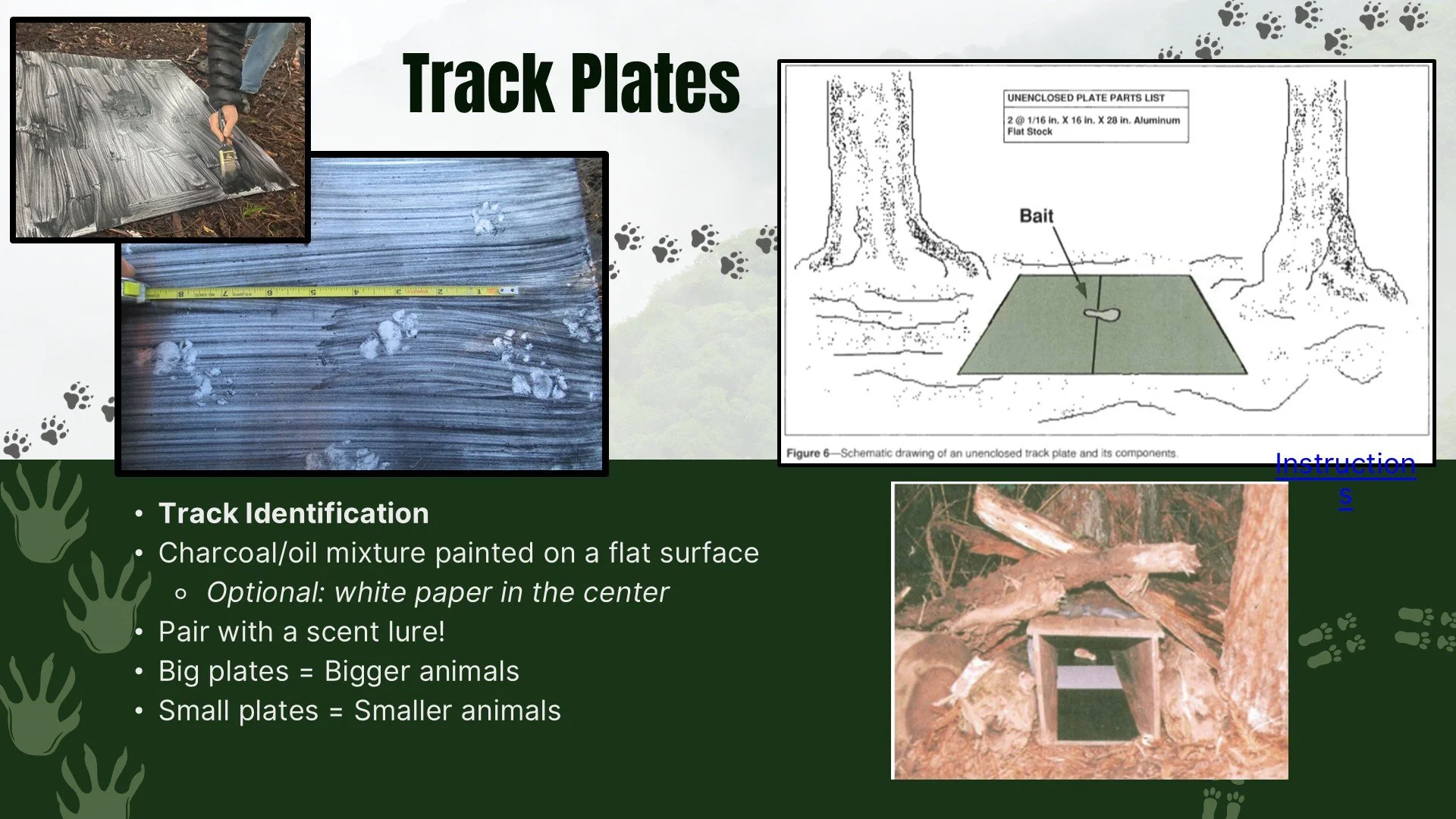
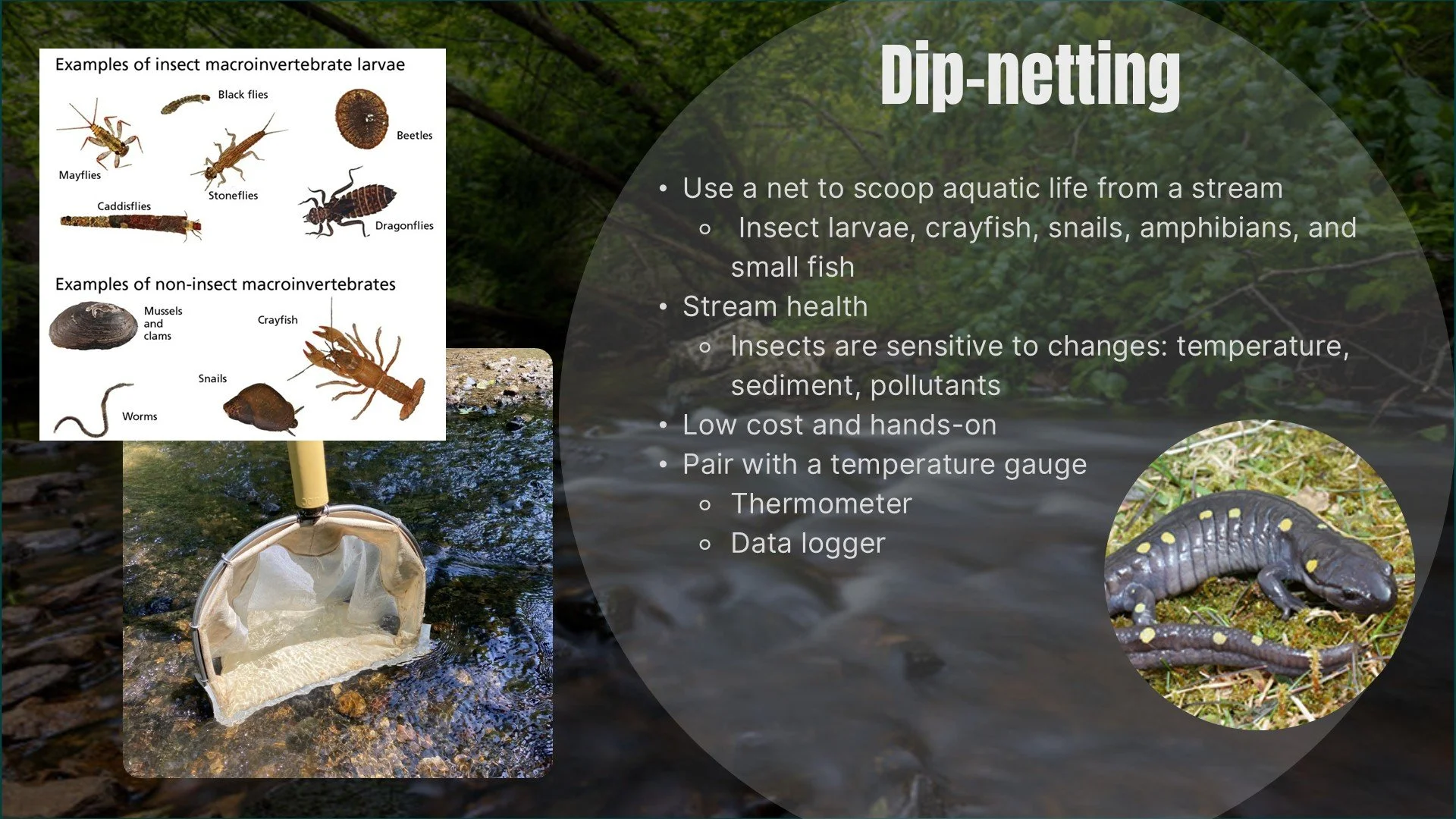
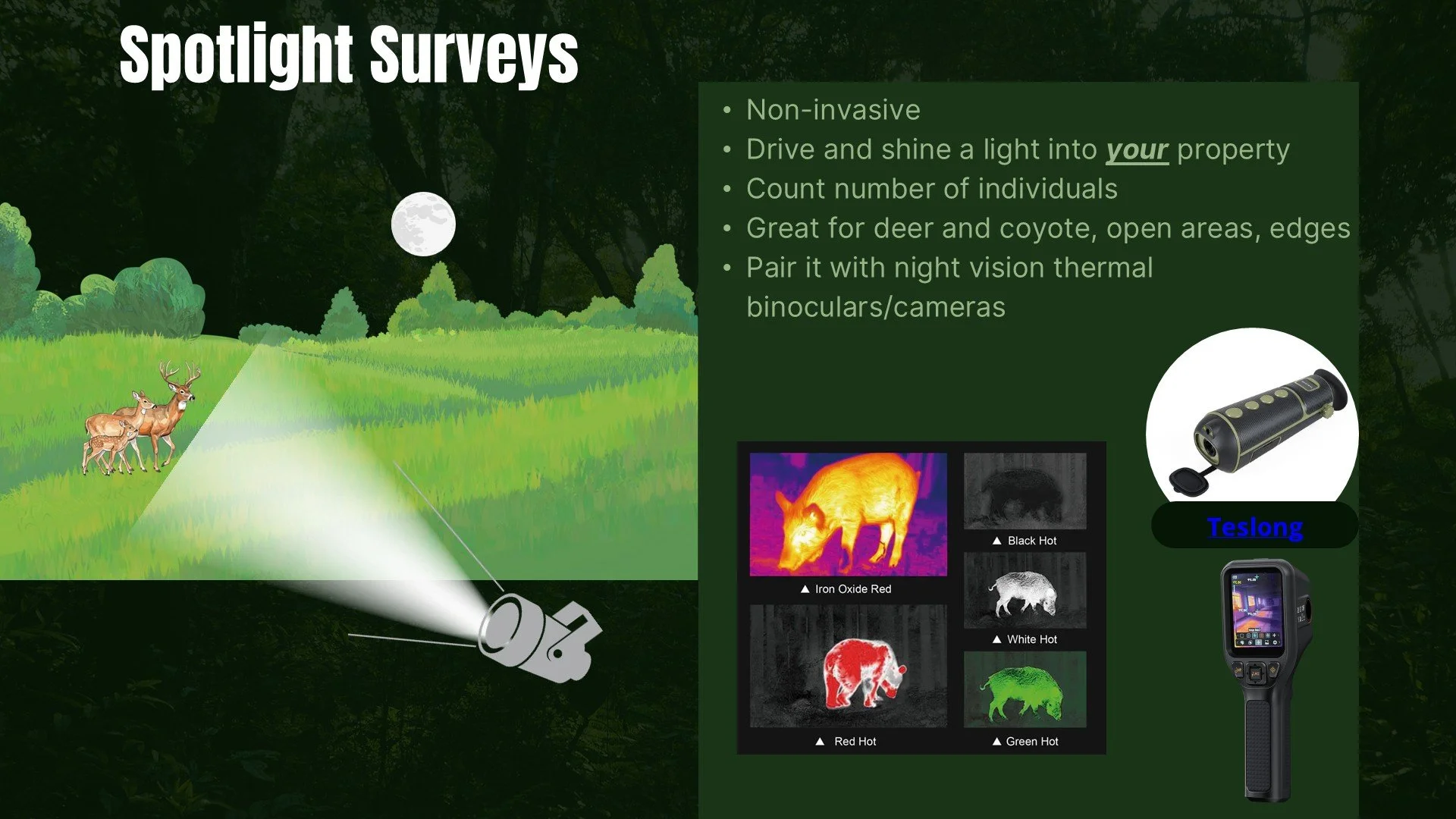
Technology, Tools, and Tactics for Wildlife Monitoring on Your Own Woodlot: A Beginner’s Guide


Resources To Manage Your Woods For Wildlife
“We can be ethical only in relation to what we understand.”
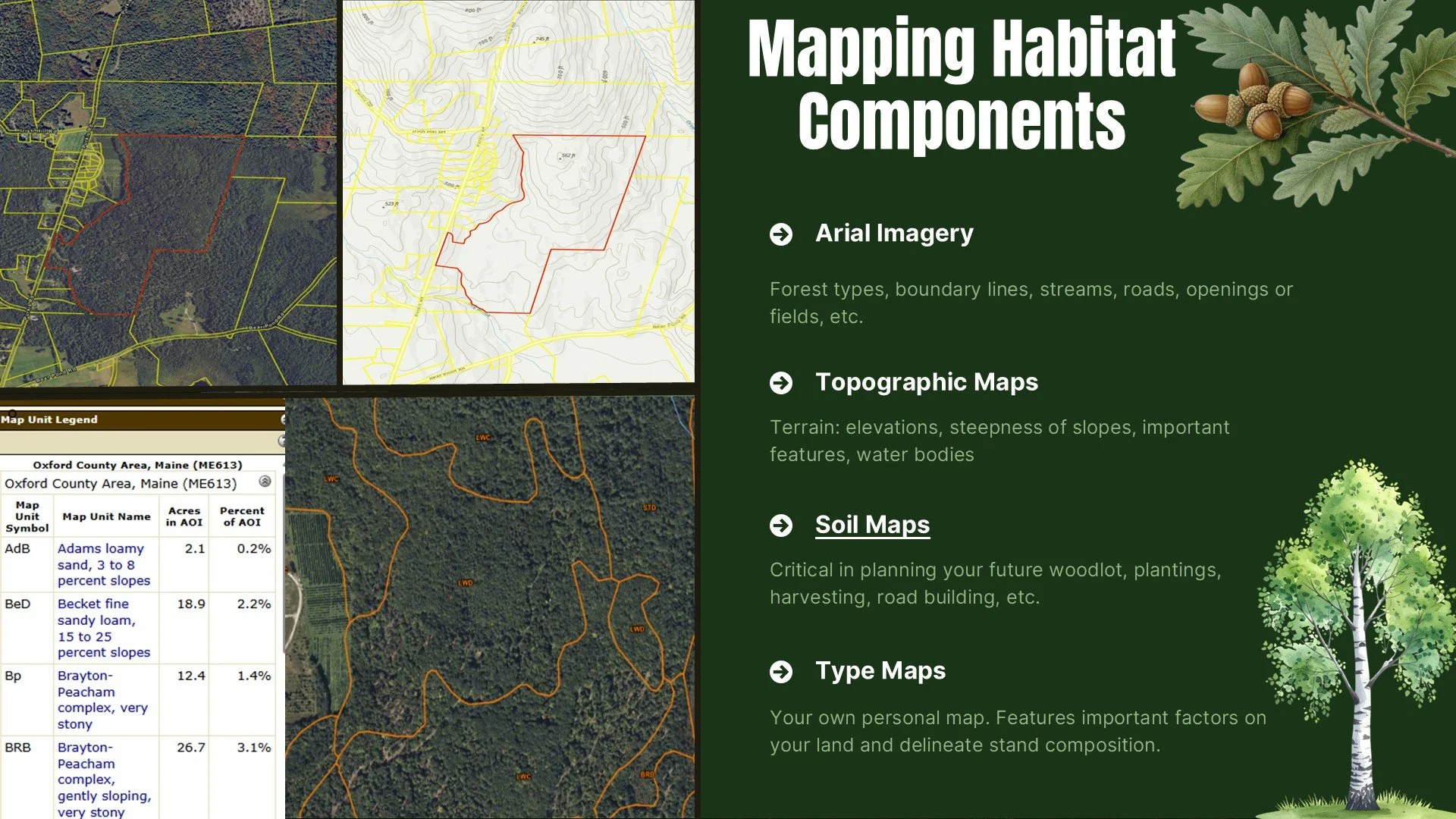
Beginning With Habitat Map: The Beginning with Habitat (BwH) Map Viewer is an online adaptation of BwH's extensive collection of natural resource information provided by state, federal, and non-profit conservation partners. This information can help land-use decision makers balance growth and management goals with conservation of Maine's fish, wildlife, and natural places.
Maine Audubon’s A Woodland Owner’s Guide to Forestry for Maine Birds: Forestry for Maine Birds (FFMB ) is a new approach to managing woodlands. It helps foresters, loggers and family woodland owners like you see the forest “for the birds” when designing and implementing management strategies.
Managing Grasslands, Shrublands and Young Forest: A comprehensive, practical habitat management guide focused on the conservation and stewardship of early-successional habitats that have declined significantly across the region and are critical for many wildlife species. The guide explains the ecological importance of these habitats, outlines techniques and tools for maintaining or restoring these dynamic landscapes effectively.
2025-26 Maine Hunting Seasons: Season dates and bag limits for Maine.
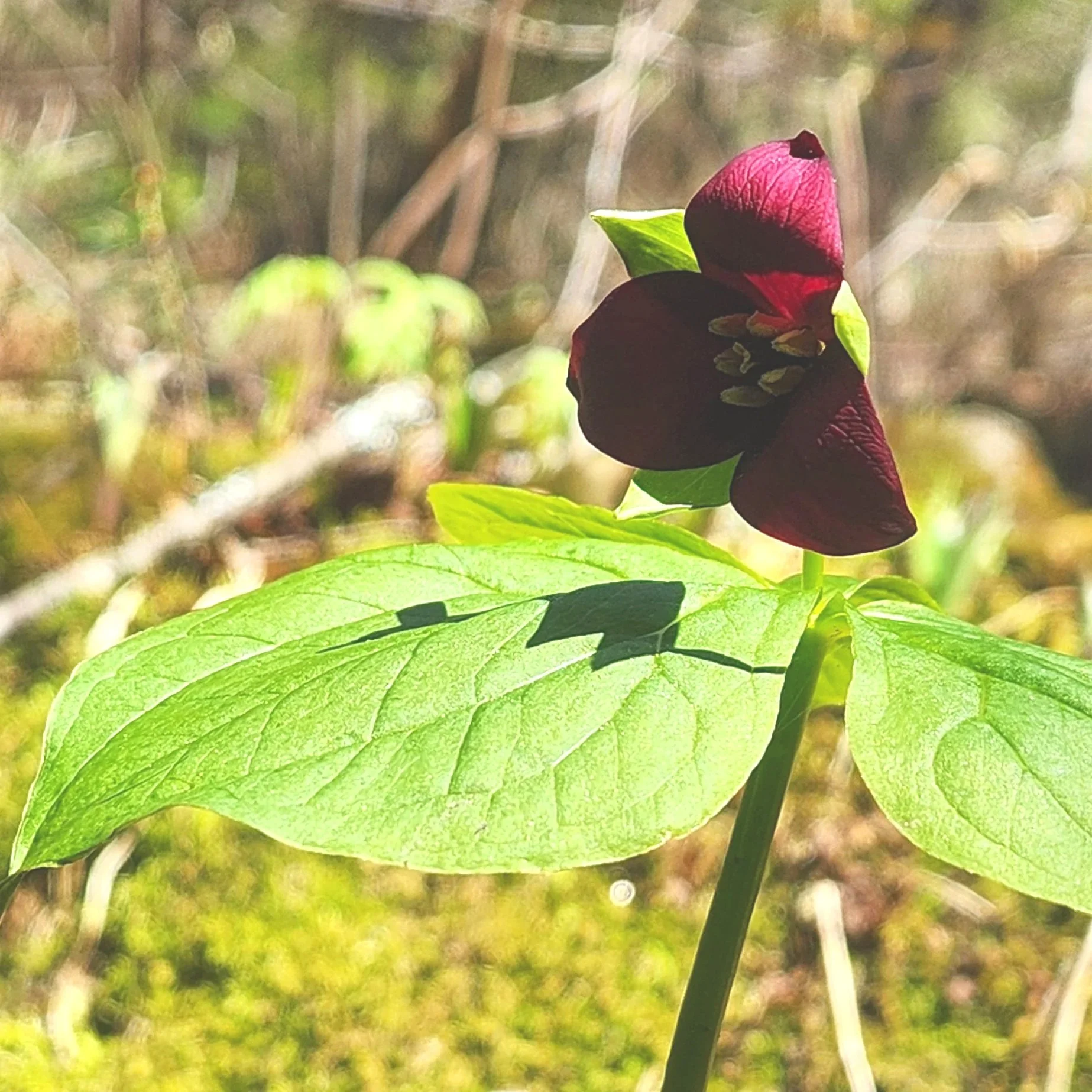
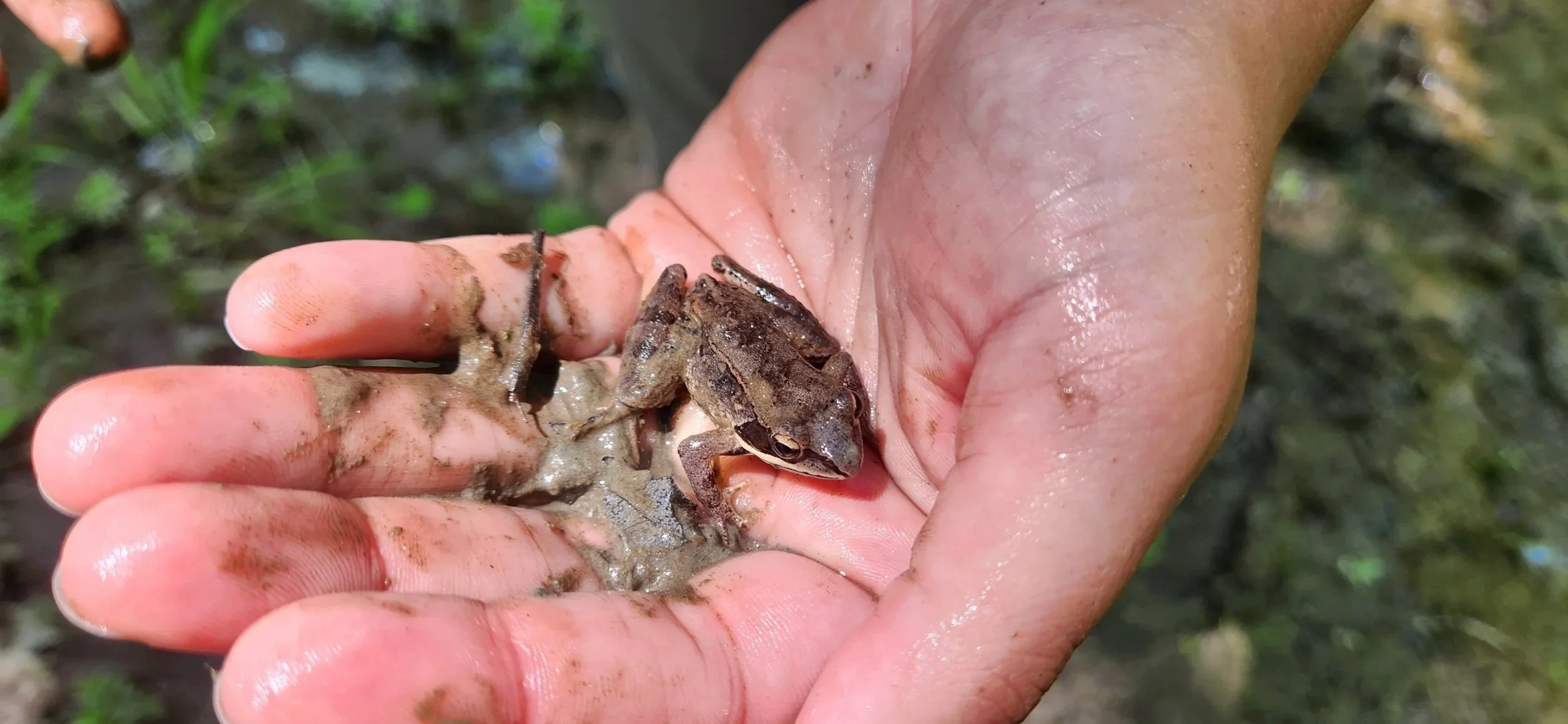
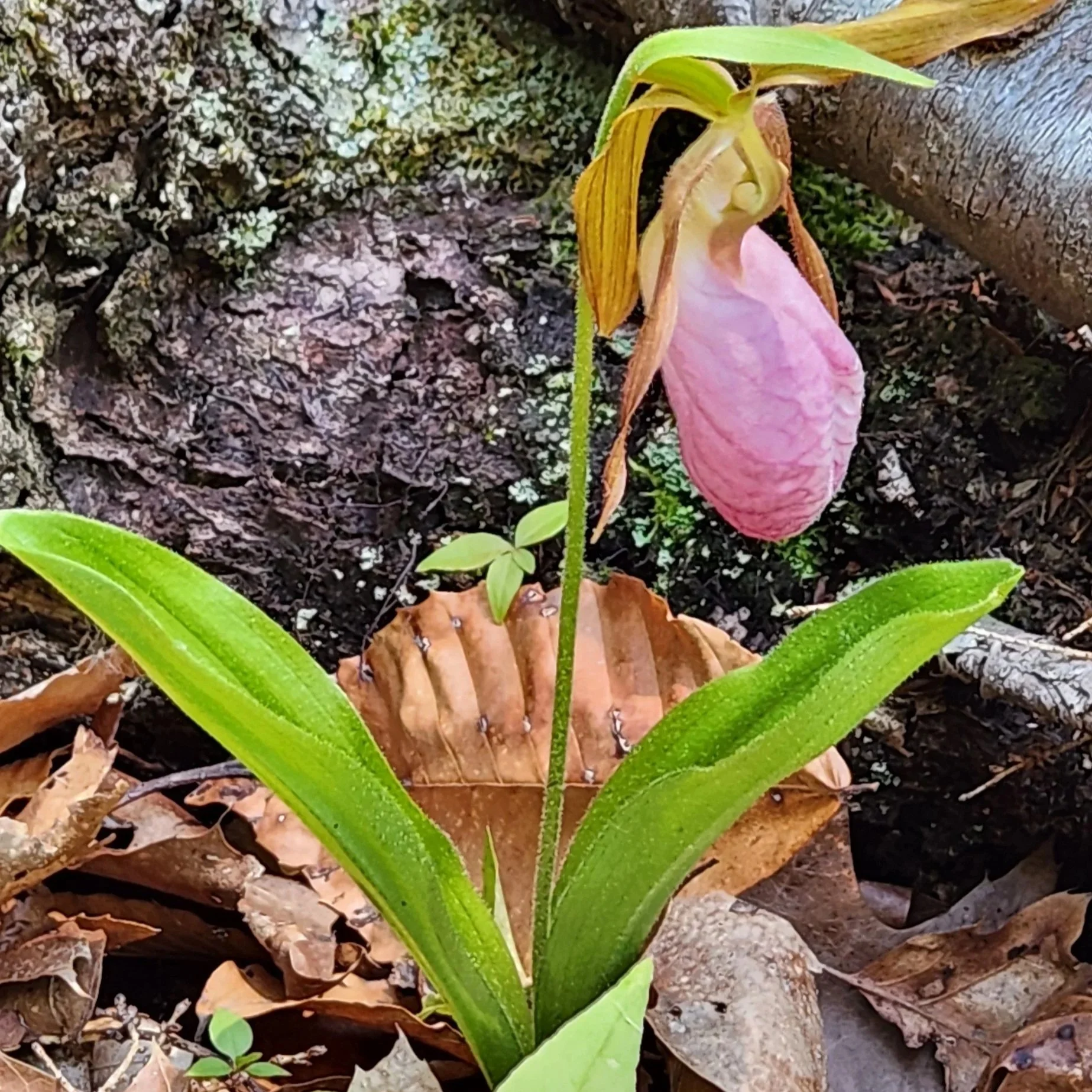
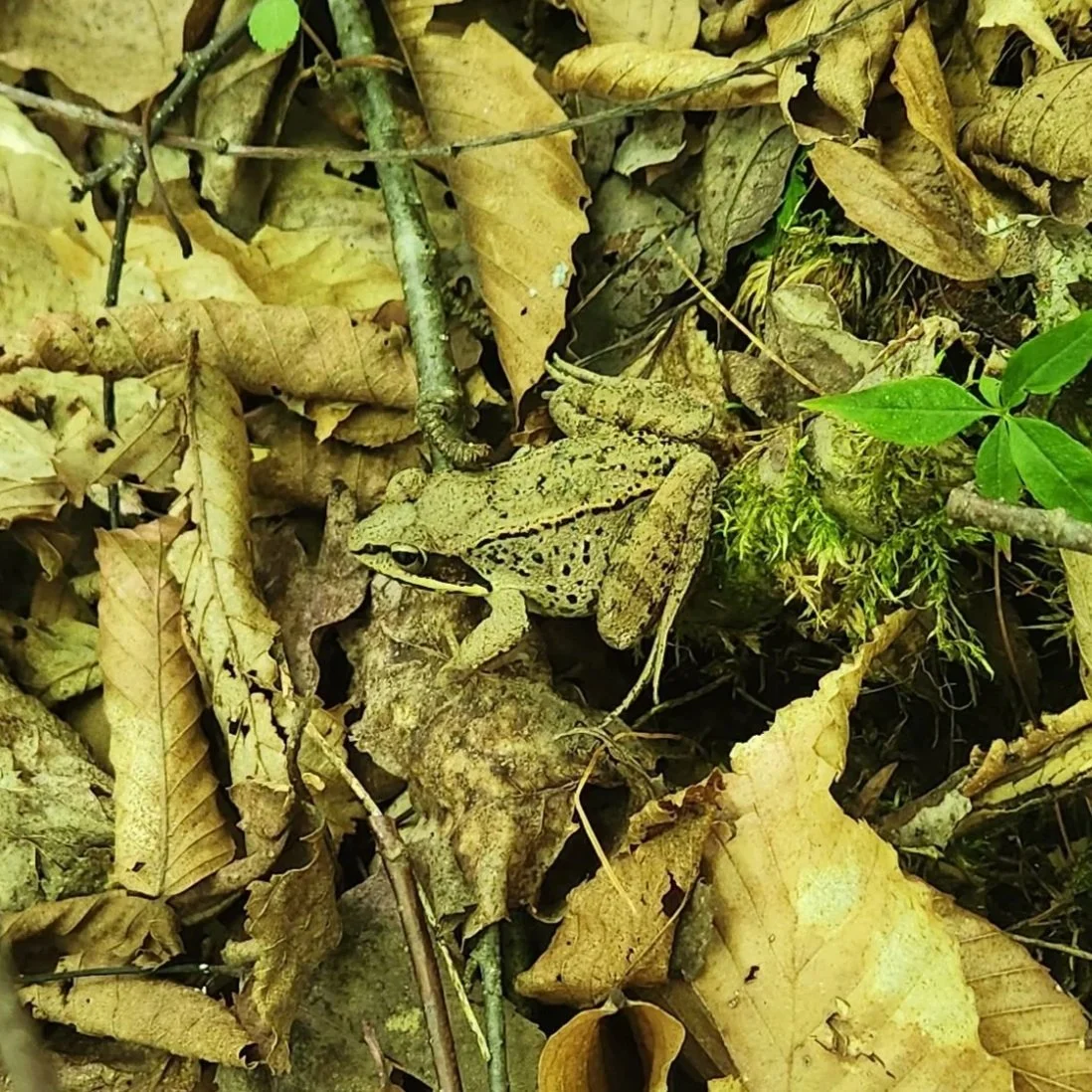
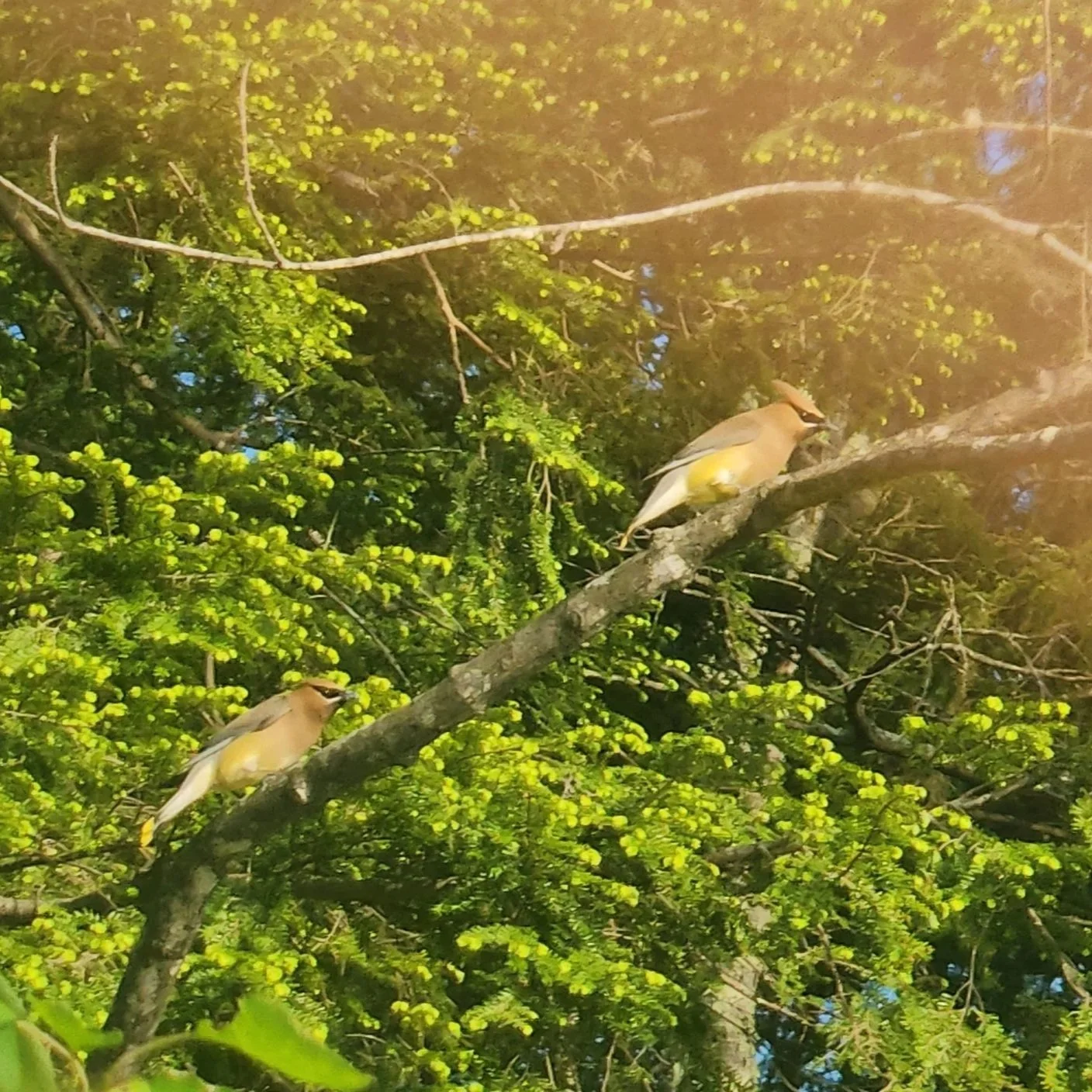
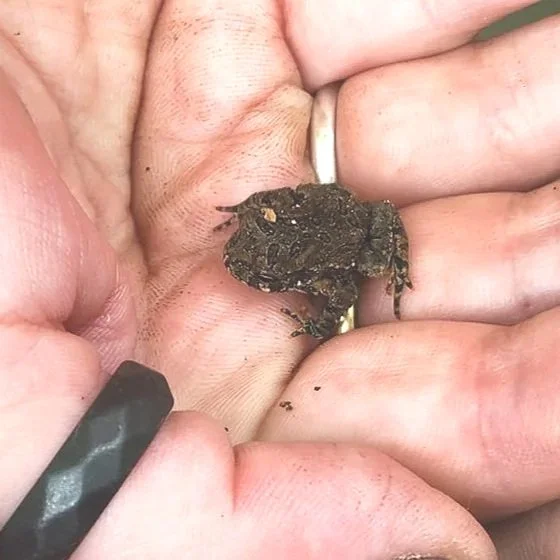
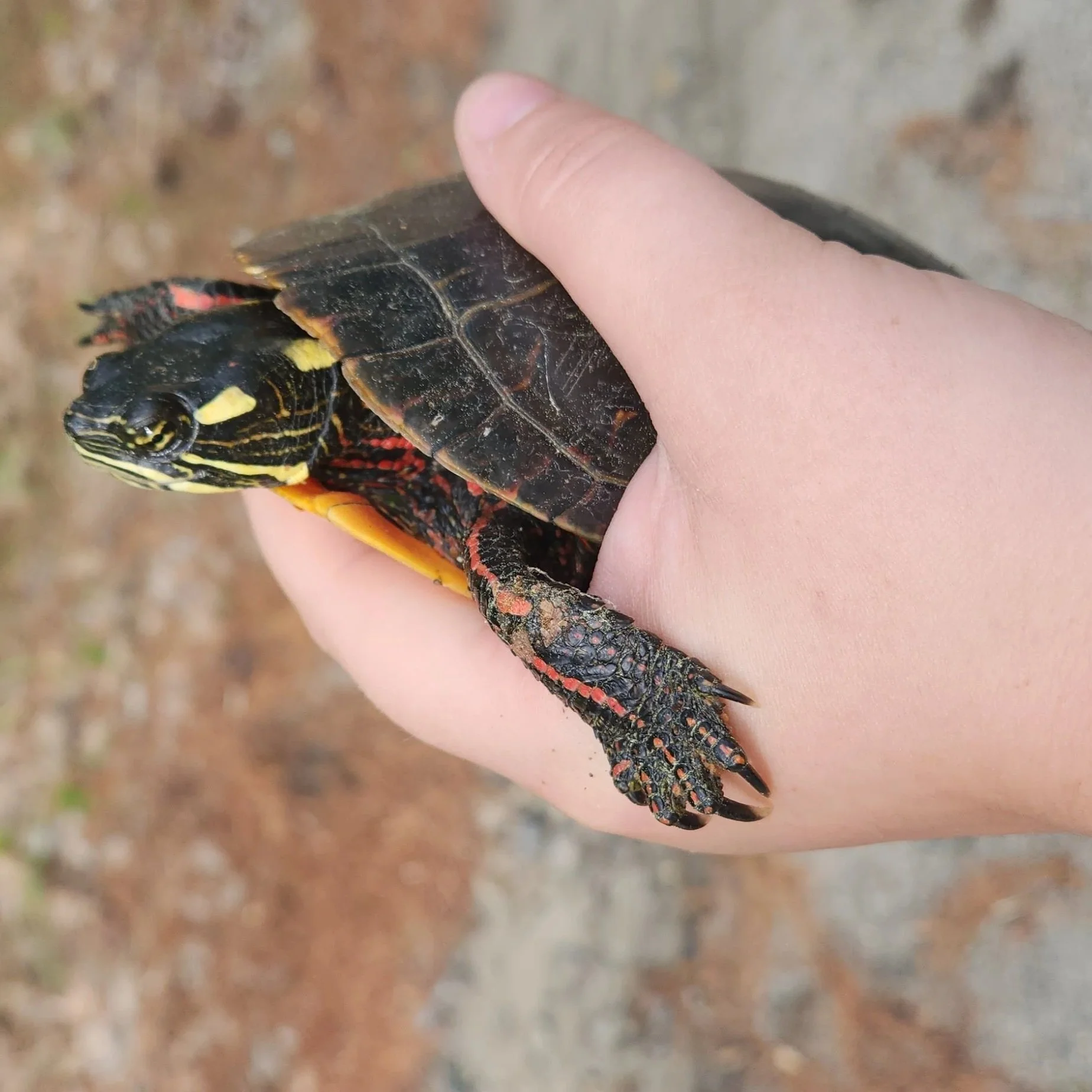
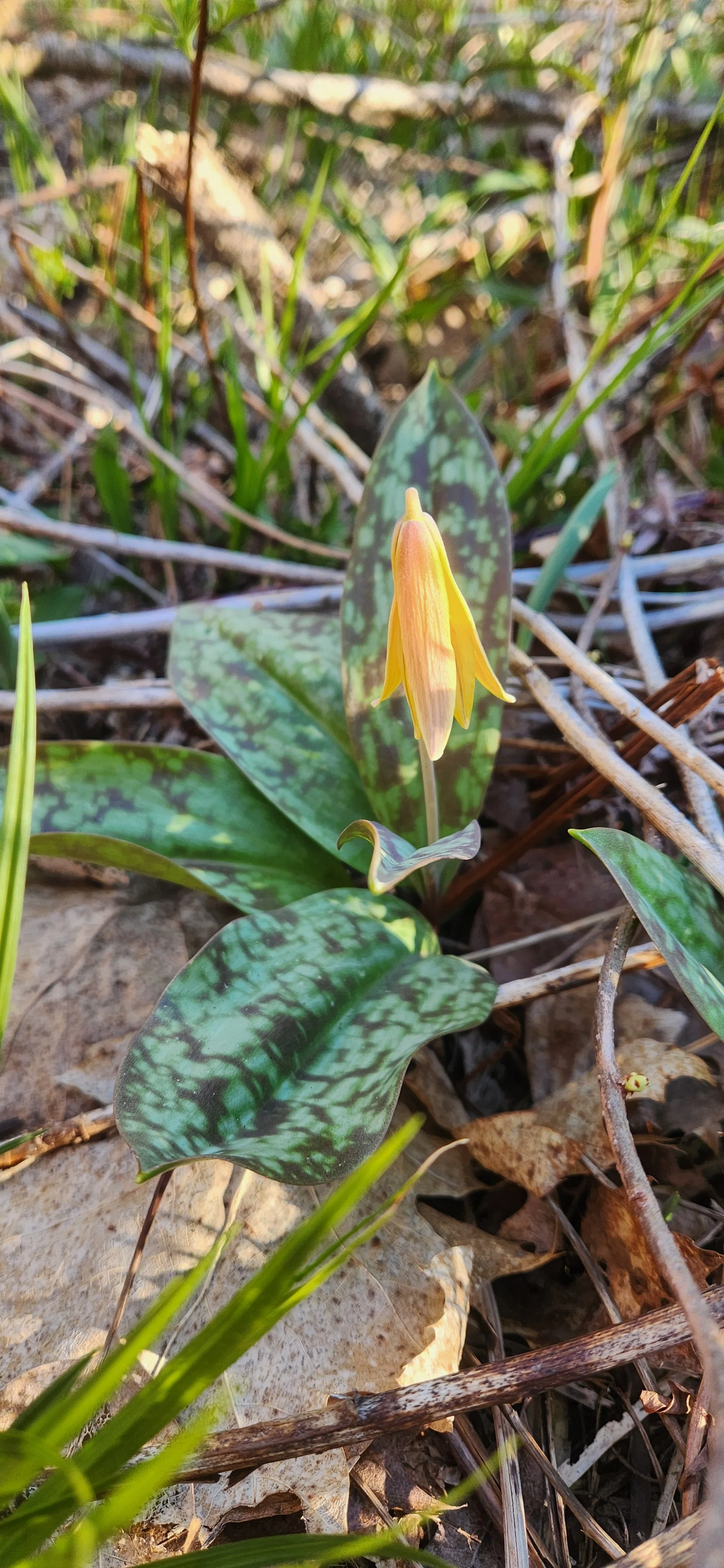
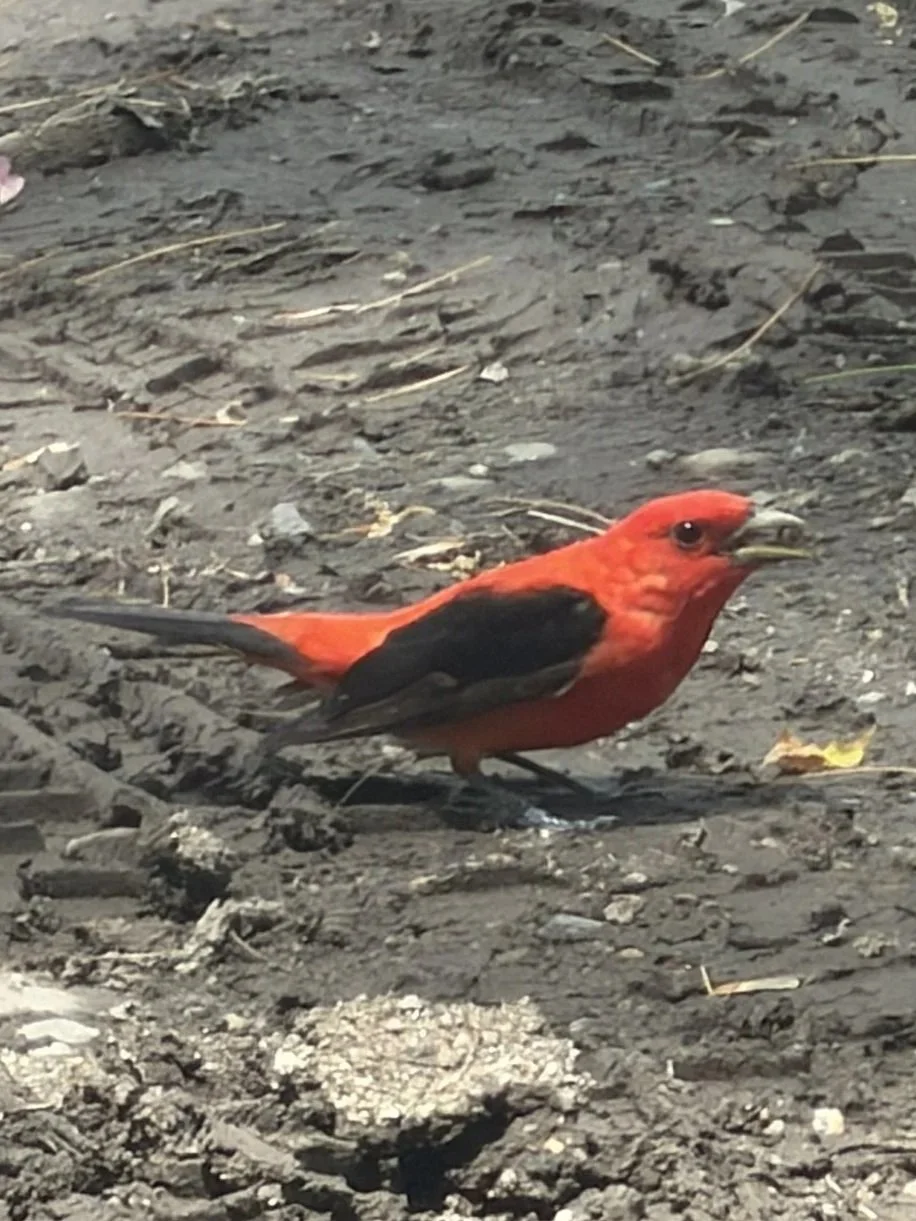
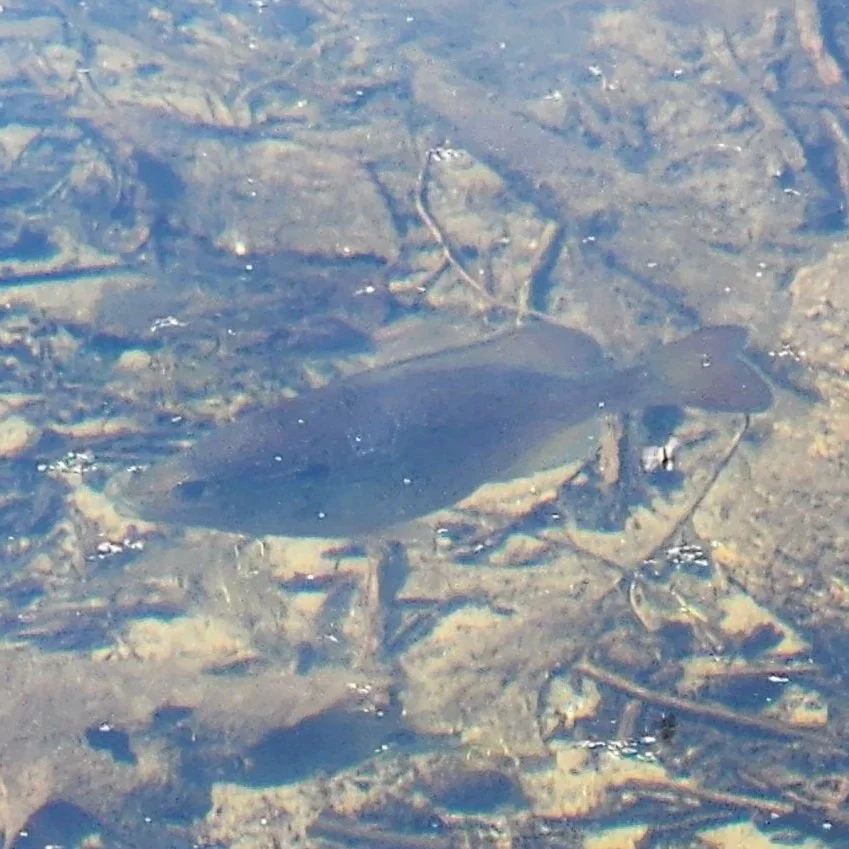
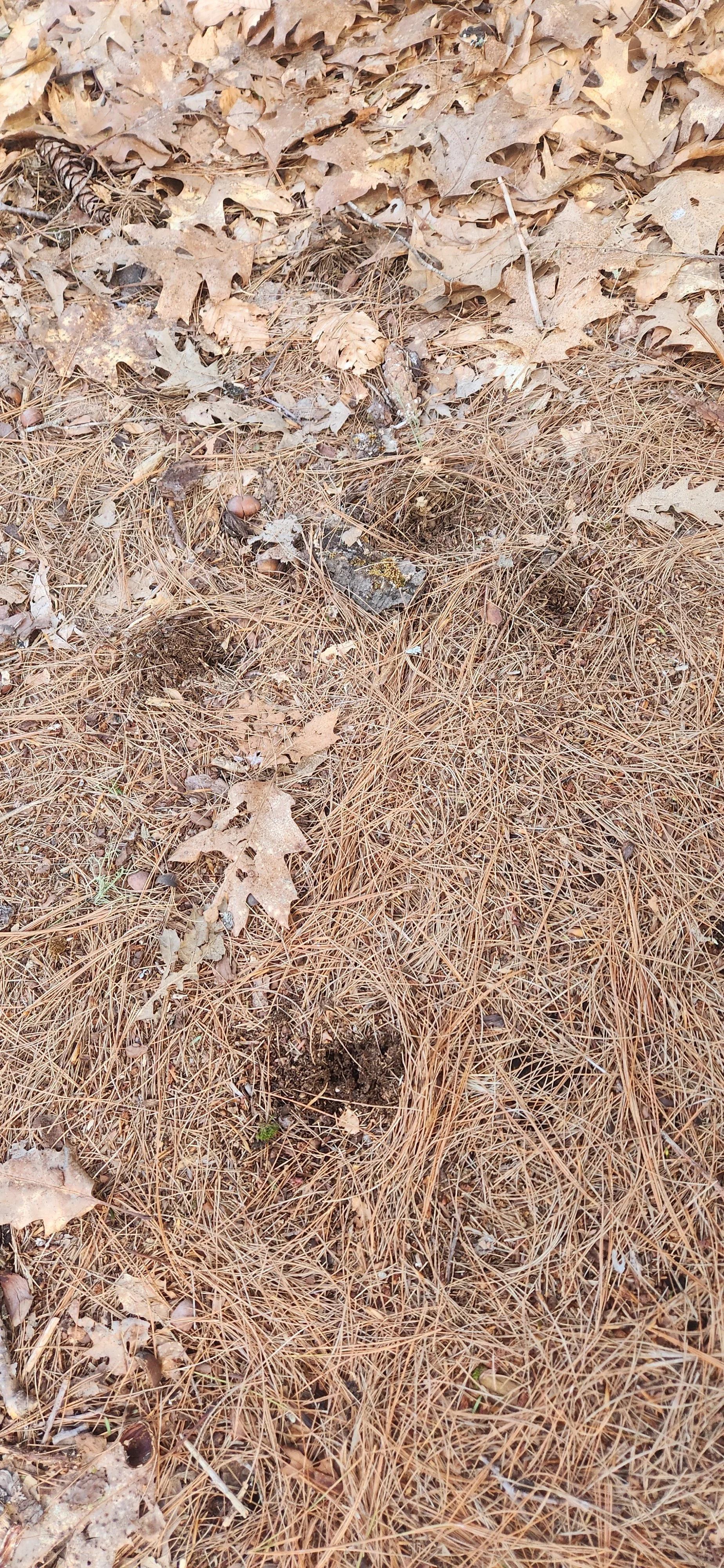
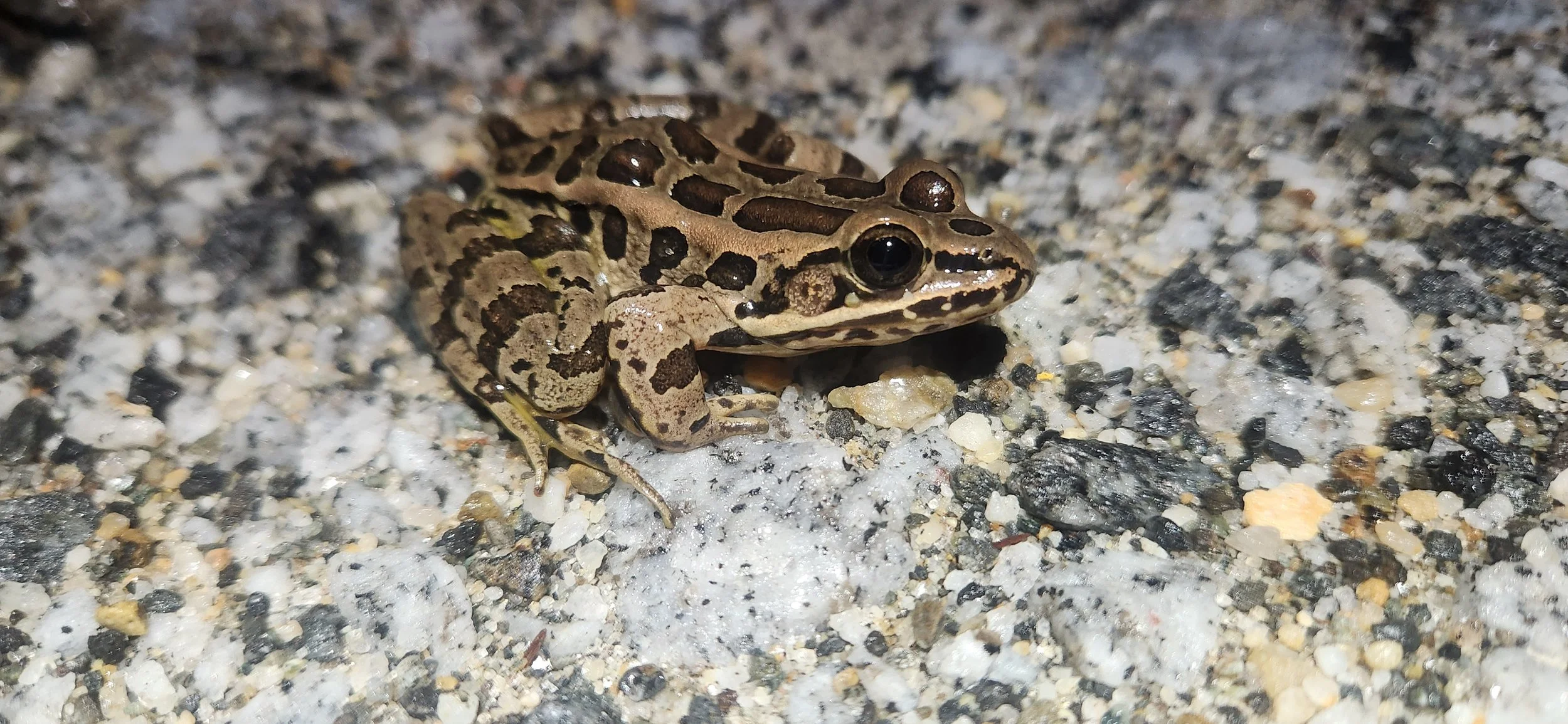
Wildlife Sightings!
If you happen to take a great photo of the flora and fauna of Maine while you’re out and about, please send it in HERE! New photos will be uploaded each month (credit be given to the photographer)
Get Involved with Citizen Science
Community Science Projects: MDIFW tracks where many of Maine’s priority wildlife species occur. Keeping our database current is challenging, especially for species that are uncommon, cryptic, or that live in more remote areas. So we rely on the Maine public’s passion for wildlife – community scientists – to help track these species.
Maine Amphibian & Reptile Atlas Project: There is much still to learn about the distribution and ecology of Maine’s herpetofauna, and we encourage members of the public to share their photo-documented observations.
Maine Big Night: You can get directly involved by becoming certified or joining certified members. As a volunteer scientist, you will be helping frogs and salamanders cross roads safely while collecting data to ensure their long-term survival.
eBird: eBird is among the world’s largest biodiversity-related science projects, with more than 100 million bird sightings contributed annually by eBirders around the world and an average participation growth rate of approximately 20% year over year.
Nest Box Monitoring Program: This project will help to gather valuable information about the status of Maine’s cavity-nesting birds, confirm breeding for elusive species (such as owls), and to increase availability of suitable nesting sites for these native species.
Purple Martin Landlord: A purple martin landlord is someone who installs and maintains nesting structures for purple martins, a rare Species of Special Concern in Maine. Providing housing for martins is a proven and relatively easy way for you to take conservation action in your own backyard, and an excellent opportunity for students, birders, landowners, and conservation organizations to team up and secure the future of a beautiful and beneficial bird.