Public Access: What We Left Behind in Europe
(This article is the third in a series by Lloyd C. Irland, and was originally published in the November issue of Maine Woodlands).
In the Middle Ages, most farms consisted of scattered patches with rights to plow, graze pigs, cut wood, or harvest honey. A manor held by a minor lord might include several villages, each with a few dozen farms, tilled by villeins bound to the land . . . .
Read More
Our Hunting Laws Rooted in Medieval England
(The second article of a series by Lloyd C. Irland, this article was originally printed in the October issue on Maine Woodlands).
Medieval kings and feudal landholders tightly controlled rights to hunt on their land. Rules were detailed, making Maine’s book of hunting and fishing regulations look . . .
Read More
Magna Carter Covered Forest Rights, Too
by Llyod C. Irland
(This article is the first in a series, and was originally published in the September issue of Maine Woodlands).
Newspapers and magazines have been reminding us it’s the 800th anniversary of the Magna Carta, the “Great Charter” signed under duress by King John in 1215. It turns out that, in addition to protecting the traditional rights of the barons, it also created medieval forest rights that are still with us today.
Read More
It’s Tick Season. Get to Know Your Adversary
Since 2000, deer tick populations have expanded throughout the state, and Lyme disease cases have increased exponentially. The 5- to 14-year-old age group, and those over 65, have been most vulnerable.
Read More
Know Your Soils: Woodland Tour Explores Growing Maine's Most Perennial Crop
“Trees are like any other crop,” David Rocque, Maine State Soil Scientist, says, in that they thrive with specific soil conditions. He warns against “shoe horning” trees in places where they won’t be happy. Rocque recommends . . .
Read More
Who Cooks for You? Early Signs of Spring
Most of Maine’s migrating songbirds will arrive at the beginning of May. Some can’t wait that long.
Read More
Sighting New England Cottontails
If you see a brown rabbit during the winter in Maine, it’s a New England Cottontail.
Read More
Maple Syrup and Maple Bark
Can I tap this tree? I could, if I wanted to tap a . . .
Read More
Gov. LePage, Budworm Task Force Release Risk Assessment and Response Plan
Gov. Paul R. LePage and members of the Maine Spruce Budworm Task Force released recommendations about how to respond to the upcoming spruce budworm investation. To see the full report, click here.
Read More
Ubiquitous Pine Weevil and How to Live with It
Many white pines never get a chance to fulfill their genetic potential. and in most cases it’s not because they’re cut down, or blown down, or broken down by snow and ice, but because they fall victim to a tiny insect – the white pine weevil, a bug that could be a candidate for the 10 Most Unwanted List.
Read More
Tracks and Scat Tell about Habitat and Species
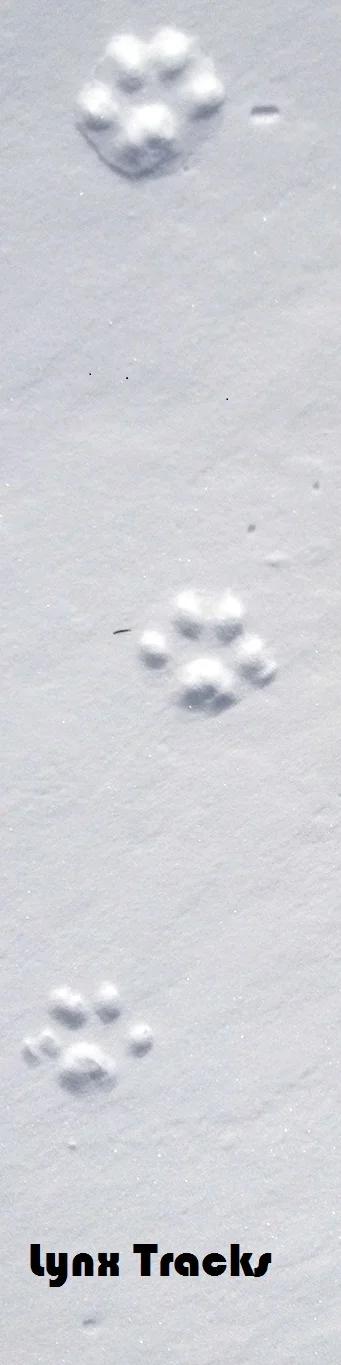
When looking at tracks, a good way to start is deciding whether it is a canid (dog) or a felid (cat). A dog track will have . . .
Read More
Take a Conservation Survey
Take a survey and help determine state and local natural resource programs and funding opportunities in the coming five year cycle.
Read More
Shoreland Zoning Affects Timber Harvesting Statewide
Shoreland zoning laws help to keep our waters clean; at least that’s the intent. This set of laws, as it relates to timber harvesting . . .
Read More
Shearing a Few Trees for Christmas
Like a lot of woodland owners, we usually select a wild tree for Christmas from our land each year. But several years back, we also planted some balsam firs.
Read More
Chestnut Planting Reaches Critical Stage
In just five years, the Maine Chapter of the American Chestnut Foundation (ME-TACF) predicts they will be producing potentially blight-resistant chestnut seed. Reintroduction of the American chestnut to the Maine and eastern U.S. forest ecosystems is an enormous undertaking.
Read More
Tallest Chestnut in North America
At 115 feet, this recently discovered American chestnut tree in Lovell, Maine is the tallest in North America. While it is blight-free, it may not have resistance. It may just have managed to escape due to its isolated location.
Read More
Now available: MFS 2014 Stumpage Price, Silvicultural Activities and Wood Processor Reports
Click here for a copy of the 2014 Maine Forest Service reports.
Read More
The Necessary Balance Between Land Users and Landowners
I’m a landowner and I’m a user of private lands as well. I think many sportsmen and women are in the same boat, and those who are recognize and understand the relationship between landowners and land users. There are others, however, who treat public access as a right and not the privilege it truly is.
Read More
Hunter Safety Tips - Regarding Ticks
The fact is that hunters are at a high risk for exposure to ticks. What might not be immediately obvious is that . . .
Read More
Tick Alert: Adult Deer Tick Season
In Maine, this is the time of year that large numbers of adult ticks are feeding. Here are three pointers . . .
Read More